
June 19 is Freedom Day.
The Juneteenth holiday commemorates the moment when the last enslaved people in the United States were liberated, by order of the Union Army, in Galveston, Texas. While the Emancipation Proclamation had ended human enslavement in the United States on January 1, 1863, some places controlled by enslavers failed to honor the law of the land.
The Faithful Citizen recounts the origin of Juneteenth this way:
In the westernmost Confederate state of Texas, more than 250,000 people were still enslaved more than two years later.
On June 19, 1965—161 years ago today—2,000 United States Army soldiers arrived in Galveston Bay, Texas. General Gordon Granger announced that it was now unlawful for anyone to enslave another human being. More than 250,000 enslaved people were now free, and the institution of human enslavement ended, formally, in the last place where Confederate leaders had tried to maintain that evil system.
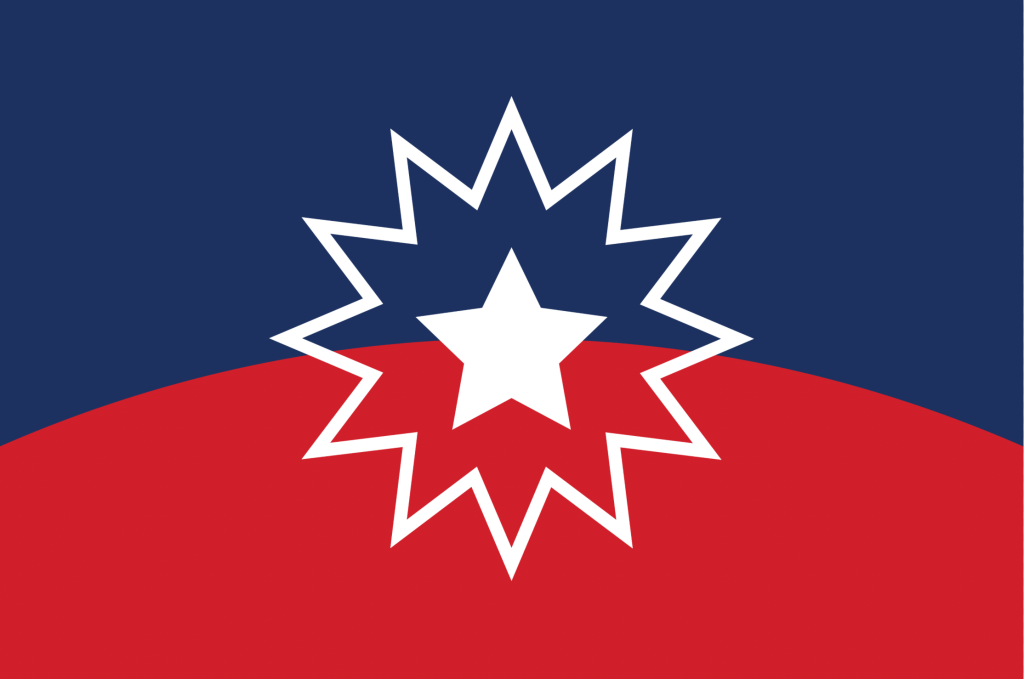
The Juneteenth flag—designed by activist and social worker Ben Haith—evokes that historic event, as well as the founding ideals of the republic and the ongoing process of protecting human rights and freedoms.
- The red, white, and blue colors are reminders that the enslaved people were American citizens, while also evoking the founding ideal that all human beings are created equal, endowed by their creator with unalienable human rights, including life, liberty, and the pursuit of happiness, according to their own values and priorities.
- The 5-point star in the center is a reminder that 250,000 people were freed from enslavement in the Lone Star State of Texas, and the wider 12-pointed star evokes the ongoing mission to liberate human kind from tyranny and injustice.
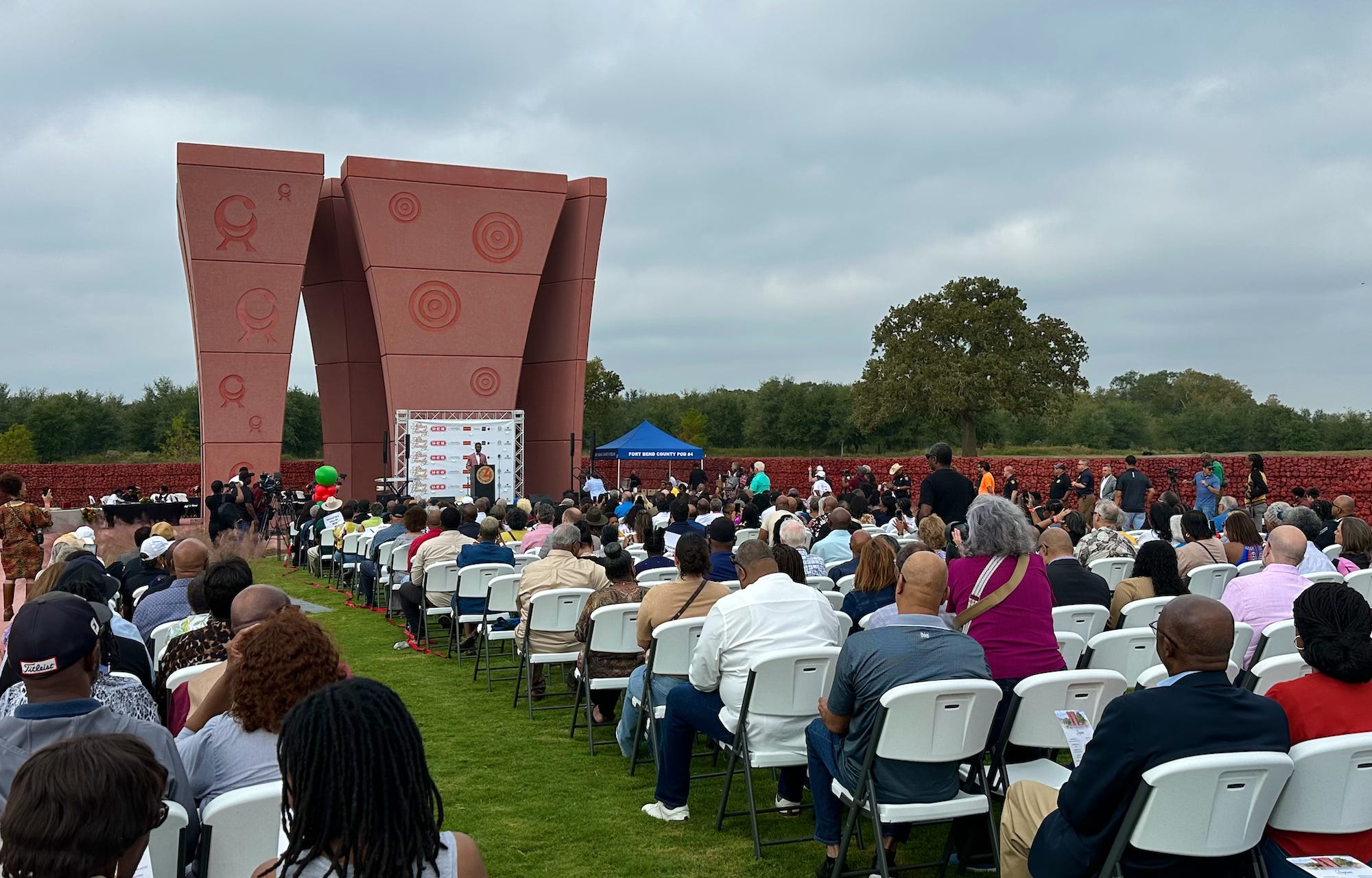
At Gettysburg, President Lincoln called for “a new birth of freedom”. For the founding principles of American democracy to be real, alive, and secure, enslavement needed to end, and all people needs to be recognized as free, sovereign, and sacred. We are still on that journey today.
As Angela Tate, Curator of African American Women’s History at the National Museum of African American History and Culture (NMAAHC), said:
“Juneteenth is a time to reflect. What does it mean to really celebrate our freedom? What does it mean to be free in moments where freedom is conditional and freedom is always a challenge? Juneteenth is a moment to think about freedom being conditional freedom, and it is something that we must continuously strive and fight for.”
In this, the 250th year since the Declaration of Independence announced a new standard for political legitimacy, Juneteenth opens a season for reflection on the meaning and realities of human freedom. As stewards of a democratic republic, each of us, it is worth examining the founding documents and what they say about our responsibilities to each other and to the future.
The Preamble to the Constitution sets a lofty, no-nonsense mission for the new republic, aiming to embody in law and practice the ideals laid out in the Declaration of Independence. It calls on us to “establish Justice” and to “secure [to future generations] the Blessings of Liberty”.
Our freedom is not only our own; it is part of a fabric of human dignity and self-governance, in which each of us strives to bring into the world more good than there was before. We owe the defense of basic human rights not only to ourselves, but for the good of future generations.
As we wrote in describing the Rescue loon image:
We believe all human beings have natural, irreducible, and unalienable human rights. That is what makes America great. The country was founded on this principle, redefining legitimacy for all political systems everywhere, and setting in motion the ongoing cooperative process of reform to achieve a “more perfect Union” of people from many cultures and continents.
We are free together—all human beings in the United States, regardless of politics, place of origin, faith or frustration—or we are not free.
Juneteenth is a day to reflect on history, common values, and our duty to look out for the humanity of everyone, together.





 Salted Designs